Choosing the right HVAC system is essential for maintaining a comfortable, energy-efficient home. With so many options available, it can be challenging to determine which system best fits your needs. Understanding key factors such as system type, efficiency, and professional support can help you make a confident decision.
Understand the Different Types of HVAC Systems
Before selecting a system, it’s important to know the most common types of residential HVAC systems:
- Central air conditioning and furnace systems
- Heat pumps for both heating and cooling
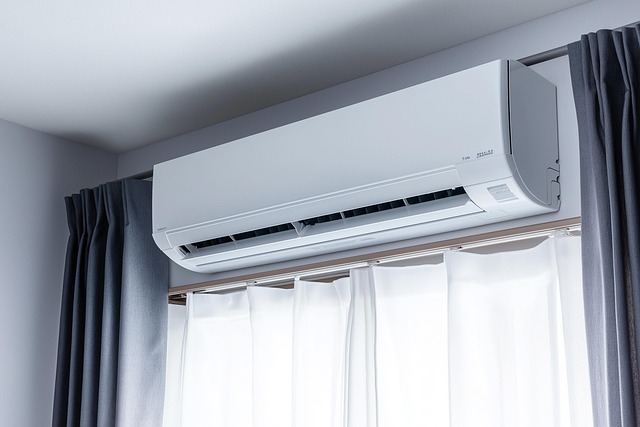
- Ductless mini-split systems
- Hybrid systems that combine different technologies
Each type offers unique benefits depending on your home’s size, layout, and climate needs.
Consider Energy Efficiency
Energy efficiency is a major factor when choosing an HVAC system. Look for systems with high SEER (Seasonal Energy Efficiency Ratio) and AFUE (Annual Fuel Utilization Efficiency) ratings. Higher ratings typically mean better performance and lower energy costs over time.
Investing in an energy-efficient system may have a higher upfront cost but can lead to significant savings in the long run.
Evaluate Your Home’s Size and Layout
The size of your HVAC system should match your home’s square footage and layout. An undersized system may struggle to maintain comfortable temperatures, while an oversized system can cycle on and off too frequently, reducing efficiency and lifespan.
A professional HVAC technician can perform a load calculation to determine the right system size for your home.
Think About Indoor Air Quality
Modern HVAC systems often include features that improve indoor air quality, such as advanced filtration, humidity control, and ventilation. If you or your family members have allergies or respiratory concerns, these features can make a significant difference.
Factor in Installation and Maintenance
Proper installation is critical to the performance and longevity of your HVAC system. Choosing a reliable HVAC service provider ensures your system is installed correctly and operates efficiently from day one.
Ongoing maintenance is equally important. Regular inspections, cleaning, and tune-ups help prevent breakdowns and extend the life of your system.
Heating and Air Conditioning Repair Services
Even the best HVAC systems require occasional repairs. Selecting a provider that offers dependable heating and air conditioning repair services ensures you have support when issues arise. Common problems include:
- Inconsistent heating or cooling
- Strange noises or odors
- Reduced airflow
- Unexpected increases in energy bills
Prompt repairs help maintain system efficiency and prevent more costly issues down the line.
Budget and Long-Term Value
While it’s important to stay within budget, focusing solely on upfront cost can be misleading. Consider the long-term value of the system, including energy savings, maintenance costs, and expected lifespan.
A slightly higher initial investment in a quality system can pay off through improved performance and reduced operating expenses.
Conclusion
Choosing the right HVAC system involves balancing comfort, efficiency, and cost. By understanding your options, evaluating your home’s needs, and working with experienced HVAC professionals, you can select a system that provides reliable performance for years to come.
For expert guidance and professional HVAC services, View more.